For Bengali people, Darjeeling evokes strong emotions, as they can vividly picture the lush green hills, the awe-inspiring views of snowcapped Kanchenjunga, the delicious momo, and the fresh green tea directly from the tea gardens, among other delightful features. We decided to plan a 5-6 day trip during the puja holiday to places near Kolkata. We picked Darjeeling since we prefer hills over beaches. We started planning by booking a…
Coconut water isn’t just a delicious tropical drink; it’s a powerhouse of nutrients! This naturally sweet beverage boasts a low-calorie profile and packs a surprising punch when it comes to health benefits. Let’s dive deeper and explore the reasons why coconut water should be a part of your well-balanced diet, according to registered dietitians and nutrition experts. First things first, it’s important to distinguish between coconut water and coconut milk.…
Kedarnath Dham, a highly esteemed pilgrimage destination, experienced a remarkable turnout with 75,139 devotees visiting within just three days of its reopening. This impressive surge sets a new attendance record for the past five years. The temple, dedicated to Lord Shiva, stayed open for over 13 hours daily to serve the faithful. Notably, 23,510 devotees visited on Sunday alone. Since the temple reopened on May 10, Kedarnath, one of the…
Stretching before exercise is a common practice, and for good reason. The benefits of stretching are numerous, particularly in injury prevention and improving flexibility. Exercise is crucial for overall health, but injuries can happen easily if precautions aren’t taken. That’s why preventing injuries and enhancing flexibility should be a priority for everyone. Muscle stretching plays a significant role in fitness and is highly recommended for injury prevention. It helps keep…
The origins of “Panorama of Calcutta (1899)” are shrouded in uncertainty, adding intrigue to its status as India’s oldest surviving film. Initially attributed to John “Mad Jack” Benett-Stanford, a colorful character known for his cinematic exploits in Africa, doubts arise about his involvement. Instead, speculation points to Hiralal Sen, an early Indian filmmaker with ties to the Warwick Trading Company, the film’s distributor. Sen’s pioneering contributions to Indian cinema, including…
The inception of Bengali cinema heralds back to the 1920s, marking the genesis of a rich cultural heritage that continues to influence the cinematic landscape today. At its dawn, luminaries like Hiralal Sen pioneered the art form, laying the foundation for an industry that would flourish in the decades to come. These early endeavors were silent, epitomized by the release of “Billwamangal” in 1919, a milestone credited to the Madan…
Digha, the darling of Bengalis, effortlessly facilitates travel, accommodation, and vacation planning, making it a perennial favorite. Whether it’s winter, summer, or monsoon, Digha remains a beacon for Bengali tourists. With just two days at your disposal, the possibilities seem endless. Kick off your journey in the morning, and by afternoon, find yourself seated by the shimmering sea, basking in nature’s glory. The most enticing aspect? You can explore far…
Exploring the jungle has been a passion of mine since childhood, drawing me in with its myriad sensations: the shapes, tastes, smells, and textures of nature. It’s a destination that beckons many like-minded nature enthusiasts, offering a sanctuary from the stresses of city life. Amidst the dense foliage, where comfort is scarce and electricity non-existent, evenings in a forest bungalow are marked by simplicity. Yet, the experience of sitting on…
Finance Minister Nirmala Sitharaman recently engaged in a dialogue with students, highlighting the government’s steadfast commitment to nurturing diverse skill sets among the youth. This commitment extends beyond securing employment for young individuals; it aims to create a conducive environment where they can also become job creators, thereby contributing to the overall economic growth of the nation. During the interaction held at the Andhra Pradesh/Telangana Bhavan, Sitharaman addressed the concerns…
Spring is here, and the fitness motivation is high! But let’s be honest, the real struggle isn’t getting to that spin class – it’s leaving the gym without looking like a drowned rat. This article is your guide to conquering sweaty hair and transitioning seamlessly from workout warrior to social butterfly. For many of us, a killer workout comes at a cost: sweaty, limp hair. Forget those envy-inducing gym selfies…
For Bengali people, Darjeeling evokes strong emotions, as they can vividly picture the lush green hills, the awe-inspiring views of snowcapped Kanchenjunga, the delicious momo, and the fresh green tea directly from the tea gardens, among other delightful features.
We decided to plan a 5-6 day trip during the puja holiday to places near Kolkata. We picked Darjeeling since we prefer hills over beaches. We started planning by booking a train and finally got tickets for the Patatik Express. With 6 nights available, we decided on 4 nights in Darjeeling and 2 nights in Dooars.
At that time, homestays weren’t well-known, but now they offer unique experiences. We began searching various places, including social media. One of our contacts had recently visited Darjeeling and left an excellent review on Facebook. Here is the travel plan for 4 nights/5 days in Darjeeling.
On the Way to Darjeeling – Sukna Forest
Our road trip via Kurseong (NH 55) began from NJP (New Jalpaiguri) to Siliguri. Along the way, we passed through Sukna forest, and as we drove uphill, stunning views of the hills welcomed us. We reached Kurseong and had lunch at a roadside restaurant, knowing it would be around 3 pm when we reached our homestay. We arrived at our homestay around 3 pm, where the members warmly greeted us for our first homestay experience.
Unfolding Hill Views
During the uphill drive, we glimpsed the famous Darjeeling toy train near Kurseong market, shrouded in clouds.
Arrival at the Homestay
We arrived at our homestay near the historic “Kinchin View,” established in 1928. Our homestay, part of this historic building, was just below the hill slope. The view from the homestay was breathtaking.
Evening at Mall Road
In the evening, our driver took us to Mall Road. We spent some time enjoying tea and relished local chicken delicacies. The aroma of chicken dishes and other meals being prepared in the kitchen greeted us. We sat down to plan the next day’s tour. We went to bed hoping for a clear view of Kanchenjunga from our room and lawn the next morning.
The next morning, we were greeted by a spectacular sunrise over Kanchenjunga. The clear, crisp air and the golden hue of the mountains were a sight to behold. After a hearty breakfast, we set out to explore Darjeeling. Our itinerary included visits to the Padmaja Naidu Himalayan Zoological Park, known for its conservation efforts and diverse fauna, and the Himalayan Mountaineering Institute, which offered insights into the region’s rich mountaineering history.
We also visited the Japanese Peace Pagoda, a serene spot that provided panoramic views of the town and surrounding mountains—the day ended with a stroll along the Darjeeling Mall, where we shopped for souvenirs and sampled local street food.
Our Darjeeling tour, filled with stunning views, cultural experiences, and the warmth of a homestay, was off to a promising start. Each day we have promised new adventures and deeper connections with this enchanting hill station.
Coconut water isn’t just a delicious tropical drink; it’s a powerhouse of nutrients! This naturally sweet beverage boasts a low-calorie profile and packs a surprising punch when it comes to health benefits. Let’s dive deeper and explore the reasons why coconut water should be a part of your well-balanced diet, according to registered dietitians and nutrition experts.
First things first, it’s important to distinguish between coconut water and coconut milk. Samantha Dieras, a registered dietitian, clarifies that coconut water is the clear liquid found inside young coconuts. In contrast, coconut milk is the opaque, milky liquid produced by blending and straining the grated flesh of mature coconuts.
Coconut water can be a healthy and refreshing addition to your diet, but it’s not a miracle cure. Enjoy it for its hydrating properties and potential role in weight management, but remember to maintain a balanced diet and consult a healthcare professional for personalized advice.
Packed with Nutrients and Antioxidants: Coconut Water’s Powerhouse Punch
One of the biggest advantages of coconut water is its impressive nutrient profile. According to the U.S. Department of Agriculture and registered dietitian Samantha Dieras, this refreshing drink is a natural source of a variety of essential elements that contribute to overall health. Here’s a glimpse into the treasure trove of goodness found in coconut water:
Essential Nutrients: Coconut water boasts readily absorbable electrolytes like potassium, magnesium, and sodium, which are crucial for maintaining proper hydration and nerve function.
Antioxidant Powerhouse: Free radicals can wreak havoc on your cells. Coconut water contains antioxidants that help combat these harmful molecules, potentially reducing oxidative stress and inflammation in the body.
Amino Acids: These building blocks of protein play a vital role in muscle growth, repair, and tissue function. Coconut water provides a natural source of these essential amino acids.
Antimicrobial Peptides: Early research suggests that these natural compounds in coconut water might possess antimicrobial properties, potentially aiding the immune system.
Vitamin C: This essential vitamin supports a healthy immune system and promotes collagen production for healthy skin and tissues.
Vitamin C: This essential vitamin supports a healthy immune system and promotes collagen production for healthy skin and tissues.
Coconut Water: Friend or Foe for Weight Management?
Coconut water’s popularity as a health drink is undeniable, but can it truly help you shed pounds? Let’s explore the science behind its potential weight-management benefits.
The Low-Calorie Advantage:
Board-certified physician Elizabeth Sharp highlights the key advantage of coconut water: it’s naturally low in calories and fat compared to sugary drinks. This makes it a clear winner if you’re looking for a healthier beverage choice. Registered dietitian Samantha Dieras adds another layer: proper hydration with coconut water can potentially decrease cravings and overall calorie intake. Studies also suggest that it might boost metabolism.
A Piece of the Weight-Loss Puzzle:
However, Dr. Sharp also cautions against unrealistic expectations. Coconut water is low in other essential macronutrients like protein and healthy fats, which are crucial for keeping you feeling full and regulating blood sugar. She emphasizes that a balanced diet rich in macro and micronutrients is essential for weight management.
The Verdict:
Coconut water can be a valuable component of a well-rounded weight-loss plan, but it’s not a magic bullet. When combined with a healthy diet and exercise routine, it might offer some supportive benefits like reduced calorie intake and potentially boosted metabolism. Remember, a balanced approach is key for achieving and maintaining sustainable weight loss.
Kedarnath Dham, a highly esteemed pilgrimage destination, experienced a remarkable turnout with 75,139 devotees visiting within just three days of its reopening. This impressive surge sets a new attendance record for the past five years. The temple, dedicated to Lord Shiva, stayed open for over 13 hours daily to serve the faithful. Notably, 23,510 devotees visited on Sunday alone.
Since the temple reopened on May 10, Kedarnath, one of the twelve Jyotirlingas, has witnessed an overwhelming influx of pilgrims. Daily arrivals exceed 20,000, resulting in long queues forming at dawn. Despite the conclusion of commercial activities in Kedarnath, the fervor among pilgrims has remained strong.
The Shri Badrinath-Kedarnath Temple Committee has made impeccable arrangements for darshan, ensuring a smooth experience for all visitors. Darshan is available from early morning until late evening, accommodating over 1,700 devotees each hour. The total count of visitors includes 49,144 men, 25,002 women, and 991 children, along with two foreign women devotees of Lord Shiva.
To accommodate rituals and cleaning, the temple briefly closes at 3 pm daily, reopening for darshan from 4 to 6:30 pm. Special pujas, both pre-booked and organized by the temple committee, begin at 11 pm, catering to the spiritual needs of the devotees. Amidst the divine atmosphere and sacred rituals, Kedarnath Dham continues to be a center of faith and devotion.
Situated in the breathtaking Himalayas of Uttarakhand, Kedarnath Dham is one of India’s most revered pilgrimage sites. The ancient temple, dedicated to Lord Shiva, holds significant spiritual importance for Hindus around the world. Located at an altitude of 3,583 meters above sea level, the temple symbolizes devotion and faith.
The impressive number of visitors reflects the deep spiritual connection and reverence that devotees feel for Kedarnath Dham. The temple’s serene setting and religious significance continue to attract pilgrims, making it a key destination for those seeking spiritual peace and divine blessings. The temple committee’s dedication to providing a smooth and enriching experience for every devotee underscores the enduring appeal of this sacred site.
The reopening of Kedarnath Dham has not only set new attendance records but also reinforced its status as a spiritual sanctuary, where faith and devotion converge in the majestic Himalayan landscape. The site’s ability to draw thousands of devotees daily highlights its timeless charm and profound spiritual significance.
Stretching before exercise is a common practice, and for good reason. The benefits of stretching are numerous, particularly in injury prevention and improving flexibility. Exercise is crucial for overall health, but injuries can happen easily if precautions aren’t taken. That’s why preventing injuries and enhancing flexibility should be a priority for everyone.
Muscle stretching plays a significant role in fitness and is highly recommended for injury prevention. It helps keep muscles strong, flexible, and healthy, reducing the risk of strains and other injuries.
Maintaining a range of motion in the joints is essential for the body. Stretching helps improve mobility and flexibility over time, ensuring that your body functions properly and efficiently.
Ever wondered why stretching can be both painful and pleasurable? Scientifically, stretching triggers the release of endorphins, which are the body’s natural painkillers. It also activates the rest and digestion system, improves blood flow, and reduces muscle stiffness, all contributing to the enjoyable sensation of stretching.
The Benefits of Stretching: Why It’s Essential for Your Health
Stretching is often overlooked in fitness routines, but its benefits are immense. Incorporating stretching into your daily routine can have a profound impact on your overall health and well-being. Here are some key benefits of stretching:
Injury Prevention: Stretching helps improve flexibility and range of motion in joints, reducing the risk of injuries during physical activities.
Improved Flexibility: Regular stretching can help increase flexibility, making daily activities easier and reducing the risk of muscle strains.
Better Posture: Stretching can help improve posture by lengthening tight muscles that pull areas of the body away from their intended position.
Reduced Muscle Tension: Stretching helps relieve muscle tension and tightness, promoting relaxation and reducing the likelihood of discomfort or pain.
Enhanced Blood Circulation: Stretching increases blood flow to your muscles, improving circulation and nutrient delivery, which can help with muscle recovery.
Stress Relief: Stretching helps relax tense muscles, which can be a physical manifestation of stress, leading to overall relaxation.
Improved Athletic Performance: Flexible muscles can improve your performance in physical activities and sports by allowing your joints to move through their full range of motion.
Increased Energy Levels: Stretching can help increase blood flow and oxygen to your muscles, which can leave you feeling more energized.
Conclusion:
In conclusion, stretching is not just about preparing for exercise; it’s a crucial component of injury prevention and overall well-being. Incorporating stretching into your daily routine can help you stay healthy, flexible, and injury-free.
The origins of “Panorama of Calcutta (1899)” are shrouded in uncertainty, adding intrigue to its status as India’s oldest surviving film. Initially attributed to John “Mad Jack” Benett-Stanford, a colorful character known for his cinematic exploits in Africa, doubts arise about his involvement. Instead, speculation points to Hiralal Sen, an early Indian filmmaker with ties to the Warwick Trading Company, the film’s distributor.
Sen’s pioneering contributions to Indian cinema, including the first Indian feature film, lend credence to his potential authorship. However, the film’s mislabeling further complicates matters—it was actually shot in Varanasi, not Calcutta. The city’s spiritual significance and historical richness make it a fitting backdrop for this cinematic relic.
The film itself offers a mesmerizing journey through Varanasi’s bustling ghats, capturing a tapestry of life along the Ganges River. Its dynamic visuals, constantly in motion, evoke a sense of fleeting moments and vibrant activity. The ornate architecture and ubiquitous umbrellas on the ghats add depth to the scene, while the camera’s unique maneuvers provide a glimpse into early cinematography techniques.
Beyond its technical aspects, the film serves as a window into colonial-era perceptions. For British audiences of the time, it offered an exotic glimpse into a distant land, contrasting with the familiarity of domestic scenes. Conversely, for modern viewers, it presents a captivating snapshot of 19th-century India, bridging the gap between past and present.
“Panorama of Calcutta (1899)” remains a testament to the power of cinema to transcend time and geography, inviting audiences on a journey through history and culture. Its mysteries continue to intrigue, sparking curiosity about the pioneers who shaped India’s cinematic landscape.
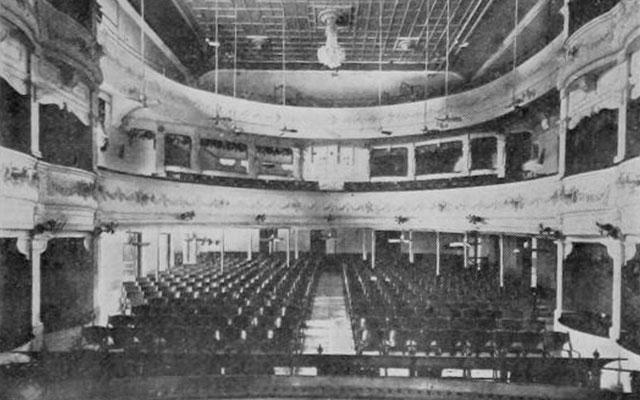
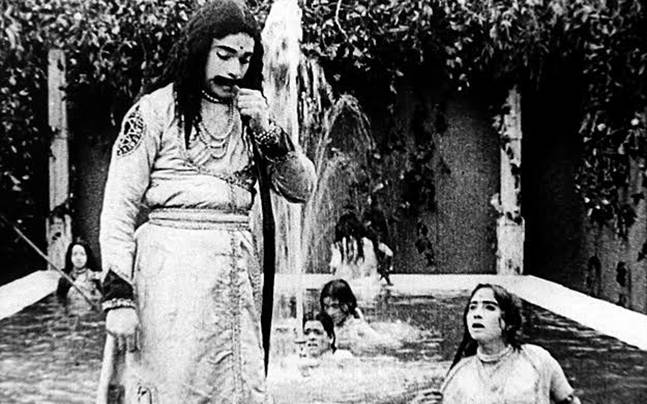
The inception of Bengali cinema heralds back to the 1920s, marking the genesis of a rich cultural heritage that continues to influence the cinematic landscape today. At its dawn, luminaries like Hiralal Sen pioneered the art form, laying the foundation for an industry that would flourish in the decades to come. These early endeavors were silent, epitomized by the release of “Billwamangal” in 1919, a milestone credited to the Madan Theatre Company of Calcutta. Notably, this occurred just six years after India’s first full-length feature film, “Raja Harischandra.”
Transitioning from the silent era, Bengali cinema embarked on its talkie journey with “Jamai Shashthi” in April 1931, followed closely by the release of “Dena Paona” in December of the same year. This period witnessed the zenith of pioneers like Pramathesh Barua and Debaki Bose, who captivated audiences with their performances and directorial prowess. The emergence of New Theatres studio further enriched the cinematic landscape, fostering talents like K.L. Saigal, Kanan Devi, Nitin Bose, and Bimal Roy.
The post-independence era ushered in a new wave of cinematic brilliance, spearheaded by visionaries like Satyajit Ray and Mrinal Sen. Ray’s magnum opus, the Apu Trilogy, garnered global acclaim, earning him prestigious awards including an Academy Honorary Award and India’s highest civilian honor, the Bharat Ratna. Meanwhile, Mrinal Sen’s thought-provoking films resonated with audiences and critics alike, earning accolades from major film festivals worldwide.
The legacy of Bengali cinema extends beyond Ray and Sen, encompassing luminaries like Ritwik Ghatak, Tapan Sinha, and Saroj Dey, whose contributions enriched the artistic tapestry of Indian cinema. The era also witnessed the rise of iconic actors such as Uttam Kumar, Suchitra Sen, and Soumitra Chatterjee, whose performances continue to inspire generations of cinephiles.
As the industry evolved, Bengali cinema maintained its distinct identity while embracing global influences. The “Modern era” of Bengali cinema witnessed a resurgence, propelled by a new generation of filmmakers and actors. Despite the influx of world cinema, Bengali cinema remained true to its roots, championing local stories and perspectives on a global stage.
In conclusion, the history of Bengali cinema is a testament to the enduring spirit of creativity and innovation. From its humble beginnings in the 1920s to its present-day prominence, Bengali cinema continues to captivate audiences with its rich cultural heritage and artistic excellence.
Digha, the darling of Bengalis, effortlessly facilitates travel, accommodation, and vacation planning, making it a perennial favorite. Whether it’s winter, summer, or monsoon, Digha remains a beacon for Bengali tourists. With just two days at your disposal, the possibilities seem endless. Kick off your journey in the morning, and by afternoon, find yourself seated by the shimmering sea, basking in nature’s glory. The most enticing aspect? You can explore far and wide without straining your wallet.
Should you be inclined to splurge a bit more, Digha transforms into a luxury retreat. Moreover, neighboring gems like Udaipur and Shankarpur offer a delightful change of scenery. With two days and a modest sum of rupees in your pocket, Digha beckons. Accommodation, food, and transportation can all be arranged within budget, though additional expenses for shopping are at your discretion. A visit to family within 2000 to 3000 rupees for 2-3 days is also feasible.
Accessing Digha from Kolkata is a breeze, whether by train or bus. Kolkata offers both AC and non-AC buses, with fares starting from 150 rupees at Dharamtala. Train options include Tamralipta Express and Kandari Express, with fares within 150 rupees. Additionally, Paharia Express and Paharia Express Special operate every Saturday. Train tickets should be booked online, and upon arrival at Digha station, reaching the beach is a short walk or a negotiated rickshaw ride.
Both bus and train arrivals attract eager hoteliers, ready to accommodate various budgets. Digha boasts numerous lodging options, ranging from modest to luxurious, starting at 500 rupees, just a ten-minute walk from the sea.
Truth be told, Digha’s main allure lies in its serene seafront. Some visitors return year after year solely to bask in its tranquility, foregoing exploration of the surrounding areas. Old and New Digha beaches offer splendid vistas, ideal for beach sports or quiet contemplation. Horse rides along the shore add to the charm.
Don’t miss Amravati Park, adjacent to Digha Youth Hostel, with a mere 10 rupee entry fee. Open from 6:30 AM to 7:00 PM, it’s a must-visit for Digha travelers. Nearby lies Digha Science Centre, open from 9 AM to 6:30 PM.
For marine enthusiasts, Digha Aquarium, a ten-minute walk from Amravati, houses an array of marine life. Free entry and operating hours from 10 AM to 6 PM make it an ideal spot for leisurely exploration. Just fifteen minutes away is Dhew Sagar, Digha’s newest attraction, deserving of a visit.
Seafood aficionados rejoice, as Digha offers a plethora of culinary delights, with varying prices for fish, meat, chicken, crab, and prawns. Evening stalls along the beach fry up a delectable assortment of seafood, with prices starting at a mere 50 rupees. Old Digha’s streets teem with vendors offering an array of snacks, from cashews to chaat, satisfying every craving.
In essence, Digha encapsulates the quintessential seaside getaway, blending affordability with boundless charm, ensuring an unforgettable experience for all who venture there.
Exploring the jungle has been a passion of mine since childhood, drawing me in with its myriad sensations: the shapes, tastes, smells, and textures of nature. It’s a destination that beckons many like-minded nature enthusiasts, offering a sanctuary from the stresses of city life. Amidst the dense foliage, where comfort is scarce and electricity non-existent, evenings in a forest bungalow are marked by simplicity. Yet, the experience of sitting on the balcony enveloped by the nocturnal symphony of the forest is unmatched.
In the cloak of darkness, senses awaken to a cacophony of sounds and a tapestry of scents. It’s a primal environment where vibrant colors are replaced by earthy tones to blend seamlessly with nature’s palette. Adorned in greens and muted hues, one becomes part of the landscape, avoiding the inadvertent provocation of wildlife. The tales of bee stings from overpowering perfumes serve as a reminder of the delicate balance between man and nature.
Capturing the essence of nature becomes a pursuit, not with a camera lens, but with the mind’s eye. The senses sharpen over time, attuning to the whispers of the wind, the rustle of leaves, and the fragrance of wildflowers. Amidst the chaos of urban life, this journey into the forest is a quest for the serenity of silence.
To truly comprehend nature’s magnificence requires agreement with this sentiment. It’s incumbent upon us to impart this wisdom to future generations, nurturing their connection to the natural world.
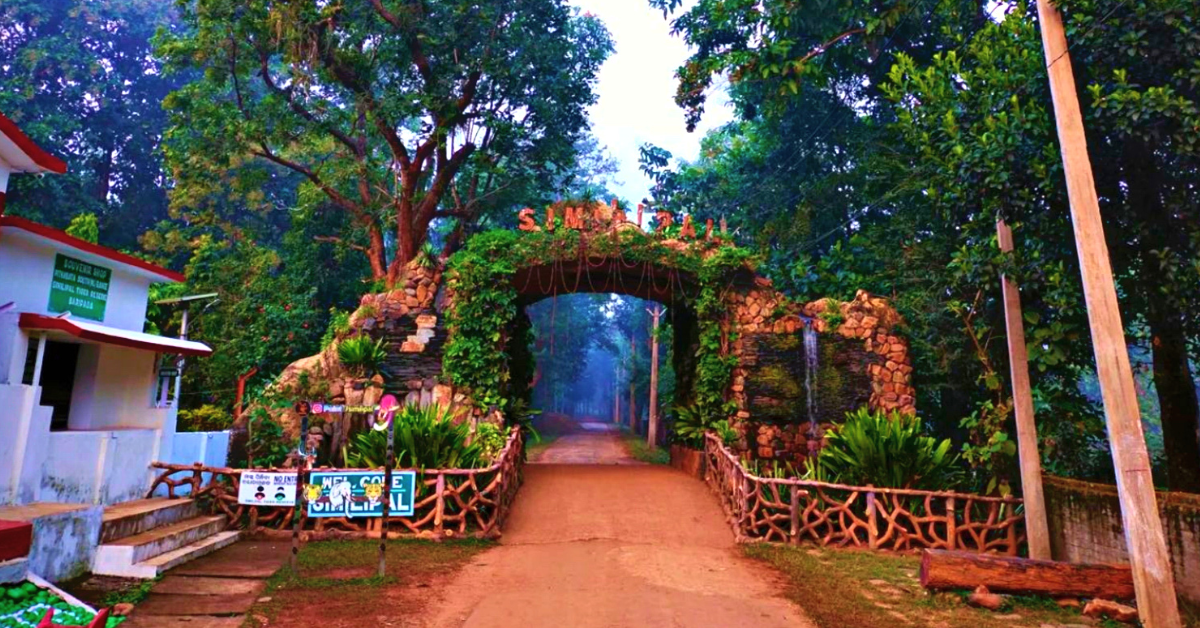
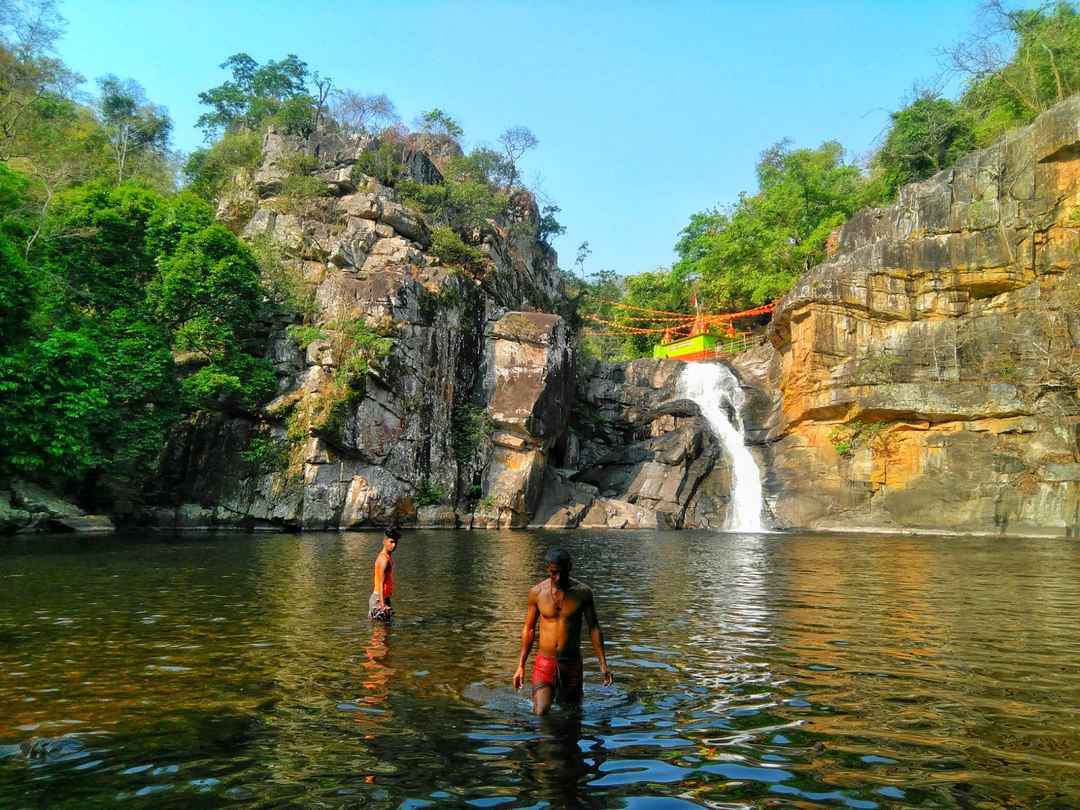
Simlipal, once a royal hunting ground, has evolved into a sanctuary of biodiversity. Despite its title as a Tiger Reserve, glimpses of the majestic cat remain elusive. However, the park teems with life, from lumbering elephants to delicate butterflies. Each tree bears a name and a story, evolving with the changing seasons, while waterfalls like Zoranda and Barehipani punctuate the landscape with their ethereal beauty.
The lore of Simlipal is as enchanting as its landscape, with tales of supernatural occurrences and ancient rituals echoing through the forest. The local tribes, the Onrao, Munda, and Bathuri, are integral to this ecosystem, worshipping the forest deities and sharing their ancestral wisdom.
Exploring their villages and folklore promises to unveil the essence of true Indianness, painting a vivid picture of harmony between man and nature.
In essence, the allure of the jungle lies not only in its raw beauty but also in the communion it fosters between humanity and the natural world. It’s a journey of self-discovery and reverence, where every rustle of leaves and every whispered tale adds to the tapestry of our existence.
Finance Minister Nirmala Sitharaman recently engaged in a dialogue with students, highlighting the government’s steadfast commitment to nurturing diverse skill sets among the youth. This commitment extends beyond securing employment for young individuals; it aims to create a conducive environment where they can also become job creators, thereby contributing to the overall economic growth of the nation.
During the interaction held at the Andhra Pradesh/Telangana Bhavan, Sitharaman addressed the concerns arising from the ongoing shift in industries due to automation and technology. She acknowledged the transformative impact of artificial intelligence and machine learning on the nature of work, emphasizing the need for the youth to adapt to these changes and seize emerging opportunities.
A focal point of Sitharaman’s discussion was the success of government initiatives such as Mudra loans and low-cost collateral-free credit schemes. These programs have empowered individuals to pursue entrepreneurship and small-scale businesses, ultimately fostering job creation at the grassroots level. Sitharaman’s emphasis on these initiatives underscores the government’s proactive approach towards addressing unemployment challenges and promoting economic inclusivity.
The discourse also touched upon the broader political landscape, with opposition parties like Congress and AAP raising concerns about unemployment during the national polls. In response, both the ruling BJP and Congress have outlined strategies in their manifestoes to boost the manufacturing sector, a key driver of employment generation. Sitharaman reiterated the government’s commitment to this goal, underscoring the importance of manufacturing in driving sustainable economic growth and job creation.
Looking towards the future, Sitharaman discussed the prospects of the Indian economy, particularly in sunrise sectors that hold immense potential for youth employment. She highlighted the pivotal role of the digital economy in shaping India’s future trajectory, emphasizing the need for young individuals to embrace digital skills and innovation.
In addition to economic policies, Sitharaman engaged students in discussions about inheritance and wealth tax, topics that have garnered attention during the election campaign. These discussions reflect the government’s efforts to address socio-economic issues and promote equitable wealth distribution.
One of the notable achievements highlighted by Sitharaman was the exponential growth of digital payments through platforms like UPI (Unified Payments Interface). This growth not only signifies the increasing adoption of digital transactions but also showcases India’s prowess in the digital space on the global stage.
Overall, Sitharaman’s dialogue with students encapsulates the government’s multifaceted approach towards addressing unemployment challenges, fostering entrepreneurship, and preparing the youth for the future economy. By empowering individuals with diverse skill sets and creating an enabling environment for innovation and job creation, the government aims to propel India towards sustainable and inclusive growth.
Spring is here, and the fitness motivation is high! But let’s be honest, the real struggle isn’t getting to that spin class – it’s leaving the gym without looking like a drowned rat. This article is your guide to conquering sweaty hair and transitioning seamlessly from workout warrior to social butterfly.
For many of us, a killer workout comes at a cost: sweaty, limp hair. Forget those envy-inducing gym selfies where women look effortlessly put-together. We’re talking real talk here – some of us are puddles by the time the final bell rings. But fear not, fellow sweat queens!
We enlisted the help of industry experts Rachelle Cruz and Greg Gilmore to show you how to create gorgeous styles that require minimal effort and zero fancy tools. These hairstyles are perfect for the locker room and will take you from the barre class to the bar in no time, because let’s face it, your social life shouldn’t suffer because of a good sweat sesh.
Maecenas tempor mauris a sem egestas gravida. Aliquam erat volutpat. Nullam quis varius leo. Aenean eu vulputate nibh. Etiam porta erat et ex luctus
Conquer Sweaty Straight Hair: The Low, Sleek Bun for the Win
Hitting the gym shouldn’t mean sacrificing your post-workout plans. But for those with straight-ish hair (think curl pattern 1a-2b), dealing with damp strands can be a challenge. Fear not, sweaty warriors! This guide unveils the secret weapon for conquering post-workout frizz: the low, sleek bun.
Hailey Bieber Vibes in Minutes:
Celebrity hairstylist Rachelle Cruz shares her expert tips on achieving this chic and effortless style, perfect for the locker room and beyond. Here’s what you’ll need:
Strong hold mousse (lightweight and fast-drying is key!)
Brush Out the Sweat: Start with a fresh canvas by brushing out any post-workout dampness.
Mousse Magic: Apply a generous amount of mousse from roots to ends, focusing on the hairline and part for maximum hold. Remember, mousse dries faster and creates less mess than gel, making it ideal for this style.
Channel Your Inner Hailey: Time to channel your inner Hailey Bieber! Grab your brush and pull your hair back tightly, creating a sleek, polished look. Opt for a side part for a touch of romance, or go all-back for a more edgy vibe.
Smooth Operator: Run the brush through your hair several times to eliminate any bumps and ensure a seamless finish.
Secure the Pony: Tie your hair into a low or mid ponytail using a hair elastic.
Twist and Pin: Apply more mousse to the hair lengths, then twist into a tight bun. Secure the bun firmly with bobby pins for a look that lasts.
Voila! You’re ready to take on the world with your sleek, stylish bun. It’s that easy! Stay tuned for more post-workout hairstyles that will transform your look, all achievable in the comfort of the locker room.
Conquer Post-Workout Frizz: The High, Loose Ponytail for Curly Hair
Sweat and curls – a double-edged sword! Embrace your natural texture while managing post-workout frizz with this high, loose ponytail. This guide is perfect for those with curly hair (2c-3c curl pattern) and will have you transitioning from the gym to social settings with confidence.
Sweat Be Gone: Prepping Your Curls
Celebrity hairstylist Rachelle Cruz shares her locker-room-friendly hacks for creating this effortless style:
Must-Haves
Wide, moisture-wicking headband (absorbs sweat and protects curls)
Thick silk scrunchie (prevents breakage and adds a touch of luxury)
Curl refresher spray (revives curls and combats frizz)
Dry shampoo foam (absorbs oil and adds volume)
Thin silk scrunchie (for a comfortable and secure ponytail)
Bobby pins (optional, for taming flyaways)
Step-by-Step Guide:
Sweat Management: Before your workout, wear a wide, moisture-wicking headband to absorb sweat and prevent frizz. Secure your hair in a low ponytail or loose braid using a thick silk scrunchie.
Pre-Game Refresh: As you cool down, remove the headband and gently shake out your braid. This jumpstarts the drying process, saving you time later.
Root Revival: Maintain volume! Apply a dollop of dry shampoo foam to your part and hairline, gently massaging your scalp to absorb oil and add lift lost during exercise. Be mindful of not disrupting your curl pattern.
Curl Rejuvenation: Spray your hair ends with a curl refresher and revive any frizzy or limp curls by carefully coiling them around your finger for definition, like using a curling iron.
High Ponytail Perfection: Gather your refreshed curls into a high ponytail using a thin silk scrunchie for a comfortable hold. Avoid pulling too tightly to preserve curl shape.
Face-Framing Flair: Choose your vibe! Leave out your face-framing layers for a playful touch or tie them back for a more polished look.
Finishing Touches: Secure any flyaways with bobby pins to create a fuller, uniform ponytail.
Voila! You’re ready to conquer post-workout frizz and rock your curls with confidence. Stay tuned for more gym-to-glam hairstyles that are achievable in the comfort of the locker room!
Coily Hair After the Gym: Unleash Your Inner Queen with Twist-Out Perfection
For our coily queens (hair types 4a-4c), workouts can be a challenge. But fret no more! Here’s a guide to embracing your natural texture and rocking a stylish twist-out, all achievable after a sweat session.
Embrace the Freedom:
Celebrity hairstylist Greg Gilmore suggests letting your hair breathe during your workout. Coily hair’s natural volume helps minimize sweat build-up along the strands.
Post-Workout Refresh:
Hit the showers! Wash your hair with a hydrating shampoo and conditioner like Moroccanoil’s Hydrating Shampoo and Conditioner, as recommended by Gilmore. Deeply condition your hair to replenish moisture lost during exercise.
Twist-Out Magic:/strong>
Now, onto the glam part! Apply a leave-in conditioner and smoothing lotion for manageability. Section your hair into eight quadrants for easy twisting.
Step-by-Step Twisting:
Here comes the fun part – the twist-out! Don’t worry, it’s simpler than it sounds.
Divide and Conquer: Section your hair into eight manageable quadrants.
The Art of the Twist: Take each quadrant and separate it into two equal parts. Now, gently twist these two sections together from root to end, mimicking the formation of a rope.
Repeat and Relax: Continue twisting each quadrant using the same technique. Once complete, you can get dressed or apply makeup while the twists set.
Drying on the Go (Optional): If the gym has a dryer, use it for a quick pass over the twists to speed up the drying process.
The Big Reveal:
Once your twists are dry, it’s time for the grand finale! Carefully untwist each section, allowing your coils to bloom and take shape. This will create a voluminous, red carpet-worthy texture.
And Voilà!
With a final wink in the mirror, you’re ready to conquer any post-workout plans. You’ve embraced your natural texture, rocked the workout, and now you’re rocking a stylish twist-out. Stay tuned for more gym-to-glam hairstyles that require minimal effort and maximum impact!